A Portrait of Leith Walk: boom time in Edinburgh’s most interesting district

Leith is in the midst of a noveau-golden-era. I’ve been living here for almost 10 years, and things just got interesting.
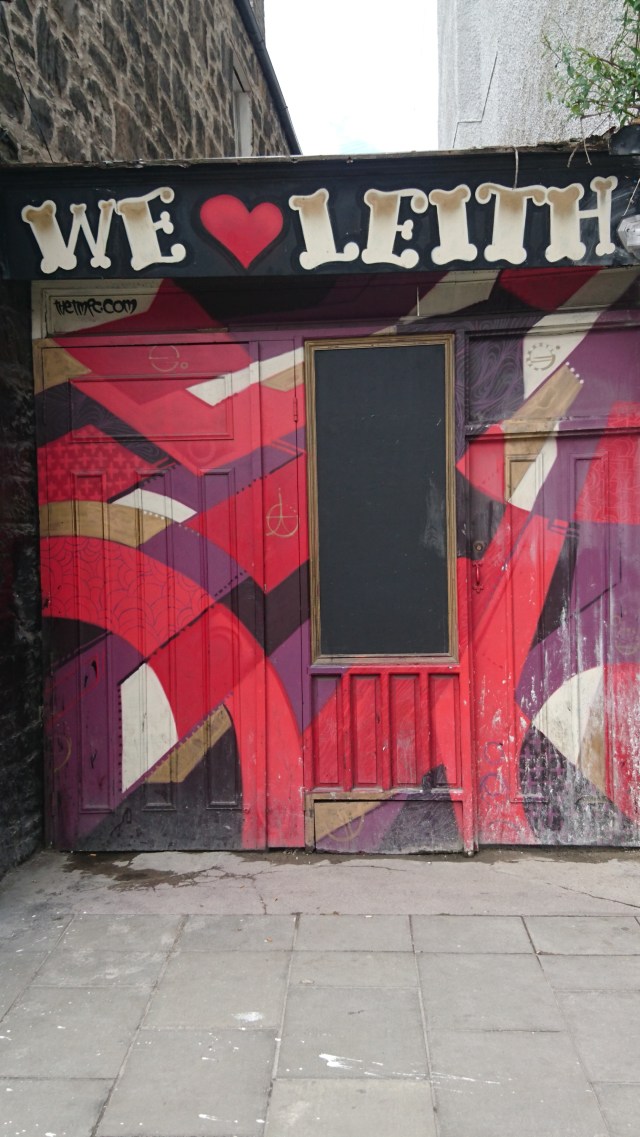
DSC_0158
Appreciative street art as seen on Leith Walk

Leith, Edinburgh’s once-busy port, fell into decline after WW2 when the ship yards closed. In the decades that followed it became notorious for dereliction, crime, prostitution and – thanks to Trainspotting – heroin addicts. Not a place you’d probably choose to live in or want to visit.

Regeneration projects have helped bring life back with government headquarters and regeneration of the docksides, but right now Leith seems to be in the middle of a steroidal growth spurt.

New Leith Cool

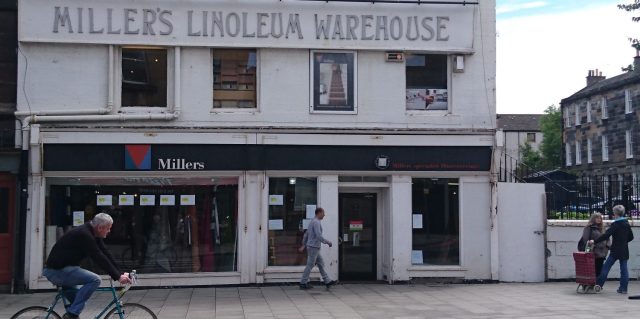
Almost every time I walk down Leith Walk there’s a new café, bar, or shop that’s popped up. Buildings that stood derelict for a decade with peeling paint are now getting snapped up, renovated and turned into something new. It feels exiting. There’s a buzz, a busyness and a sense of something happening.
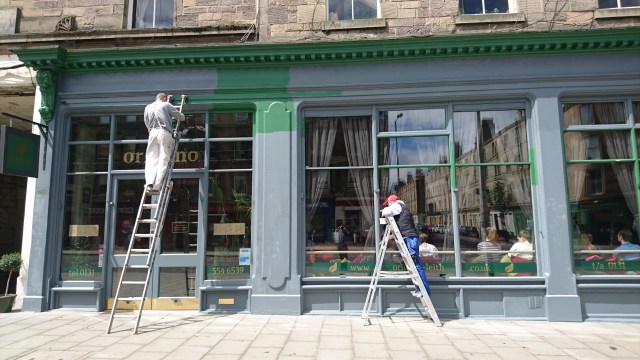
DSC_0144
Derelict for most of the decade, this space has now become Origano – an Italian resturant

Right now we seem to be in the midst of almost the perfect planetary alignment; an atmosphere ideal for new start-up businesses. Leith Walk is made up almost entirely of some 100 retailers, cafes and bars. Though there are a handful of chains (Dominoes, KFC, Tesco and now Sainsbury’s) the vast majority of businesses in Leith are small, independent businesses.
cropped-dsc_0141.jpg

The result? Edinburgh’s coolest, quirkiest and most interesting area. Some are even calling it ‘Edinburgh’s Hipster District’. ‘Hipsters’ may not always be welcomed with open arms by long-time locals, but it’s clear that the demographic of Leith is changing, and that is bringing something fresh.

New university accommodation on Leith Walk has injected students in to the area. Tourists are venturing further and further down The Walk, and more people are moving in as Leith’s desirability increases.

Life In Leith: An International Edinburgh

Yes, Stockbridge maybe Edinburgh’s poster girl, and it is a pretty picture with its yummy mummies, yoga classes, and a shop selling nothing but macaroons, but give me life in Leith any day. Stockbridge is just a bit staid; Leith is where the life is.

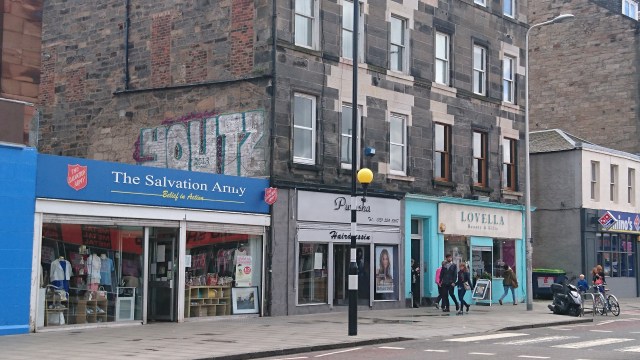
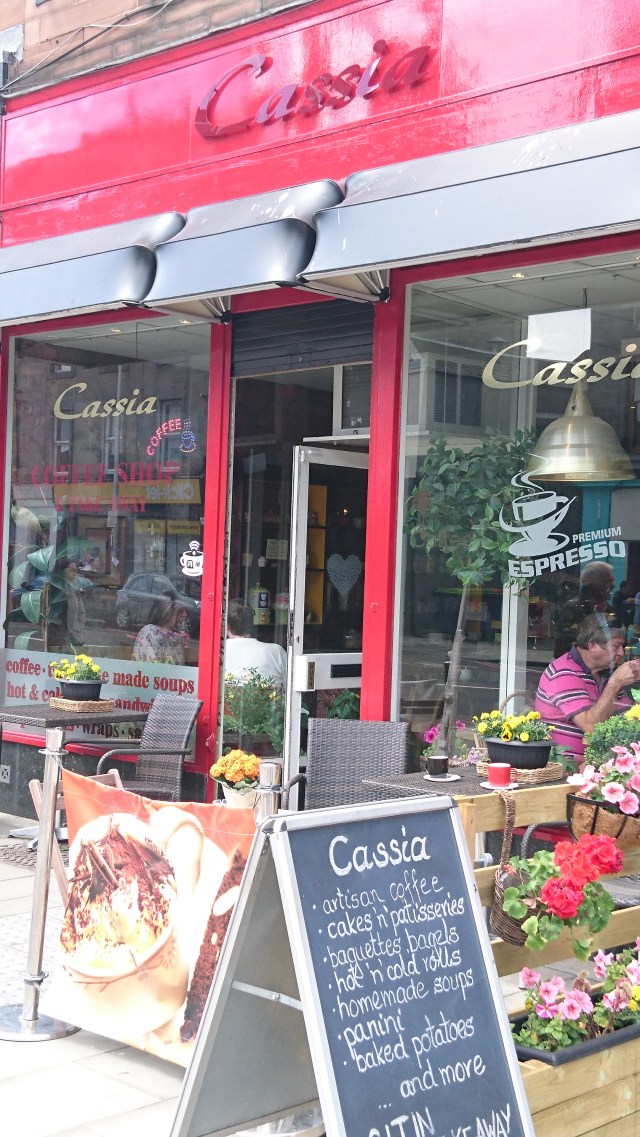
We have the butchers, fishmongers, bakeries, cafes, charity shops, tailors and Tattie Shaws – probably the best grocer in the world. They are just as good as those in Stockbridge – just much cheaper.
DSC_0132

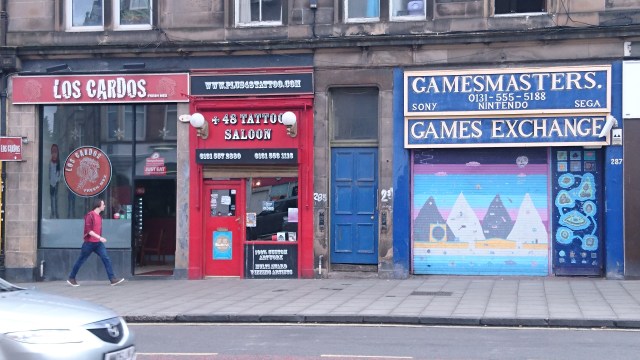
Plus in Leith, things get a whole lot more international. There are entire shops selling Indian goods, Chinese goods, Polish, Russian, Mediterranean, Italian, Scandinavian and more. Then there’s the breweries, gin distilleries, antique auctioneers, cobblers, carpet houses, galleries, rehearsal rooms, record shops and re-makers. Aye, Leith has got plenty going on.
DSC_0151

Up and Coming

Price was the primary reason I moved to Leith in the first place. It was close to Edinburgh’s city centre, close to work, and had all the amenities, but rents were a couple of hundred pounds less than in Edinburgh’s more ‘desirable’ areas such as Stockbridge or Bruntsfield.

I knew Leith was a little rougher round the edges, (‘up and coming’ and all), but after moving here, I quickly realised that not only was it cheaper than other parts of town, it was much more interesting.
cropped-dsc_0137.jpg

The Rise of Leith’s Swedish Mafia

When I first moved to Leith, there were very few pubs I dared step foot in. Most didn’t look particularly inviting to an ‘outsider’. But that’s changed a lot. Edinburgh’s ‘Swedish Mafia’ (note: I am aware of no actual criminial syndicate connections – I just like the name) were one of the first to colonise Leith bringing a new and much needed brand of bars to the area. They were cosy, quirky and friendly, and instantly found a market, highlighting the demand for watering holes that were more welcoming than the more traditional ‘old man pub’ establishments.

DSC_0127
Brexit inspired street art – as seen on Leith Walk

Opening Sofi’s Bar, their original base in the heart of Leith, just metres away from the notorious brutalist Banana Flats, they then cast their eye towards town, establishing base stations along the way with Boda Bar, Victoria and Joseph Pearces.

cropped-dsc_0145.jpg

The Shore, which has for a long time been Leith’s main ‘hip’ area populated by several ‘new media’ companies, some excellent restaurants and a handful of good pubs, is spreading to the rest of Leith.

DSC_0147
Woodland Creatures – one of Leith’s new breed of bars

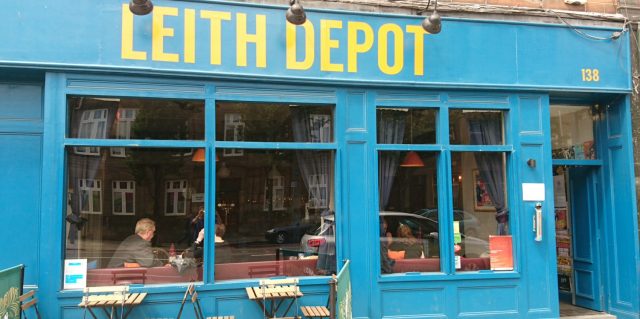
Now Leith Walk and the surrounding area boast many more pubs catering to the new Leith clientele: Woodland Creatures, The Black Fox, Brass Monkey, Tourmalet, Leith Depot, the Lioness of Leith, the Parlour Bar and more. All these places are tapping in to a new demand from locals, and also attracting more people from futher afield.
DSC_0133

Terraforming Leith’s Economic Atmosphere

Doubtless more chains will move in, now that the ‘terraforming’ has been completed by the small, local businesses, who have prepared the economic atmosphere and readied it for larger companies to capitalise on the action. But I hope that Leith will retain its exciting mix of micro-businesses for a long time to come yet.

On that note, remember: vote with your money. Think carefully about where you spend your pounds. Support the businesses you want to survive or they’ll die; use them or lose them.

Leith Litter and Love

Leith is still rough round the edges. It is still ‘up and coming’. Stroll down The Walk and you’ll still see the hard-up and homeless clutching cans of Tenants Special. There’s still junkies queuing for methadone outside the pharmacies each morning. There’s still dog shit in the streets, and a lot of litter in the gutters.

But that’s Leith, and the boom will continue regardless.
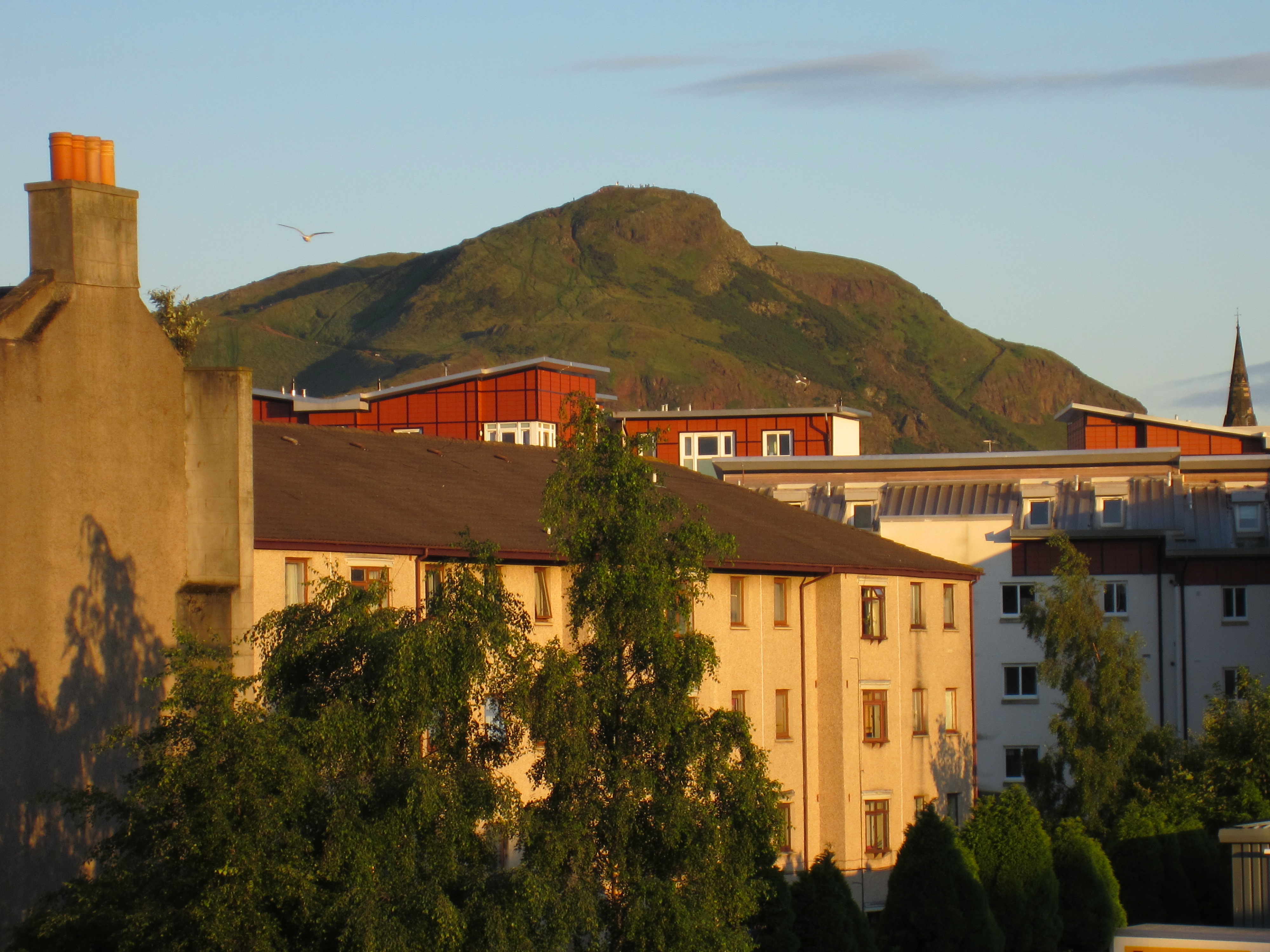
Leithenglow: 36 Views of Arthur’s Seat: #02

Leith has a lovely long, evening light. Around sundown on a clear-ish eve, the buildings are bathed in a rather beautiful glow. In The Alps, The Pyrénées and other wild places where mountains grow, there exists an attractive optical phenomenon called Alpenglow.

High peaks catch the very last of the light, which is reflected off airborne snow, ice or water. This produces a pink glow as the sun falls below the horizon and twilight begins. Leith’s evening light reminds me a little of Alpenglow, although a glowing Tenement block may just be one that has been set on fire. An ideal time for taking photos, it’s known by photography nerds as The Golden Hour and though it must exist all over the world, I have never noticed it as much as I have here.

36 Views of Arthur’s Seat: #02
The Seat bathed in the long light of an Edinburgh summer eve. View from South Sloan St. 36 Views of Arthur’s Seat: #02

36 Views of Arthur’s Seat: #01

Inspired by Thirty-six Views of Mount Fuji, the famous set of Japanese woodblock prints, I have decided to create my own version here in Edinburgh: 36 Views of Arthur’s Seat. The Japanese artist Hokusai captured Japan’s highest peak from different view points, in different weather conditions and in different seasons. His depiction of Japanese fishermen battling giant winter waves, while a snow-topped Fuji looks on in the background is probably the most recognisable piece of Japanese art ever created.

My walk to work takes me past Arthur’s Seat which, like Fuji, is a volcano (though in Edinburgh’s case, a long extinct one) and I enjoy observing its moods. Whether peeping through thick mist, basking in a sunny moment, or soaking up an Edinburgh downpour, this mini-mountain watches over the city, and has seen it grow from primitive Bronze Age settlement to a capital of almost half a million.

Arthur’s Seat and the Salisbury Crags are a wild piece of highland landscape, sat almost right in Edinburgh’s centre; turn your back on the city, and it’s easy to imagine you’re a long way from civilisation, yet within ten minutes’ walk, you could be sipping a single malt whisky in a cosy Royal Mile pub.

Arthur's Seat, Edinburgh #01
July Rains. The Seat is obscured slightly by low cloud and rain. View from Royal Terrace. 36 Views of Arthur’s Seat: #01

The 6 Types of Dog Poo found in Leith

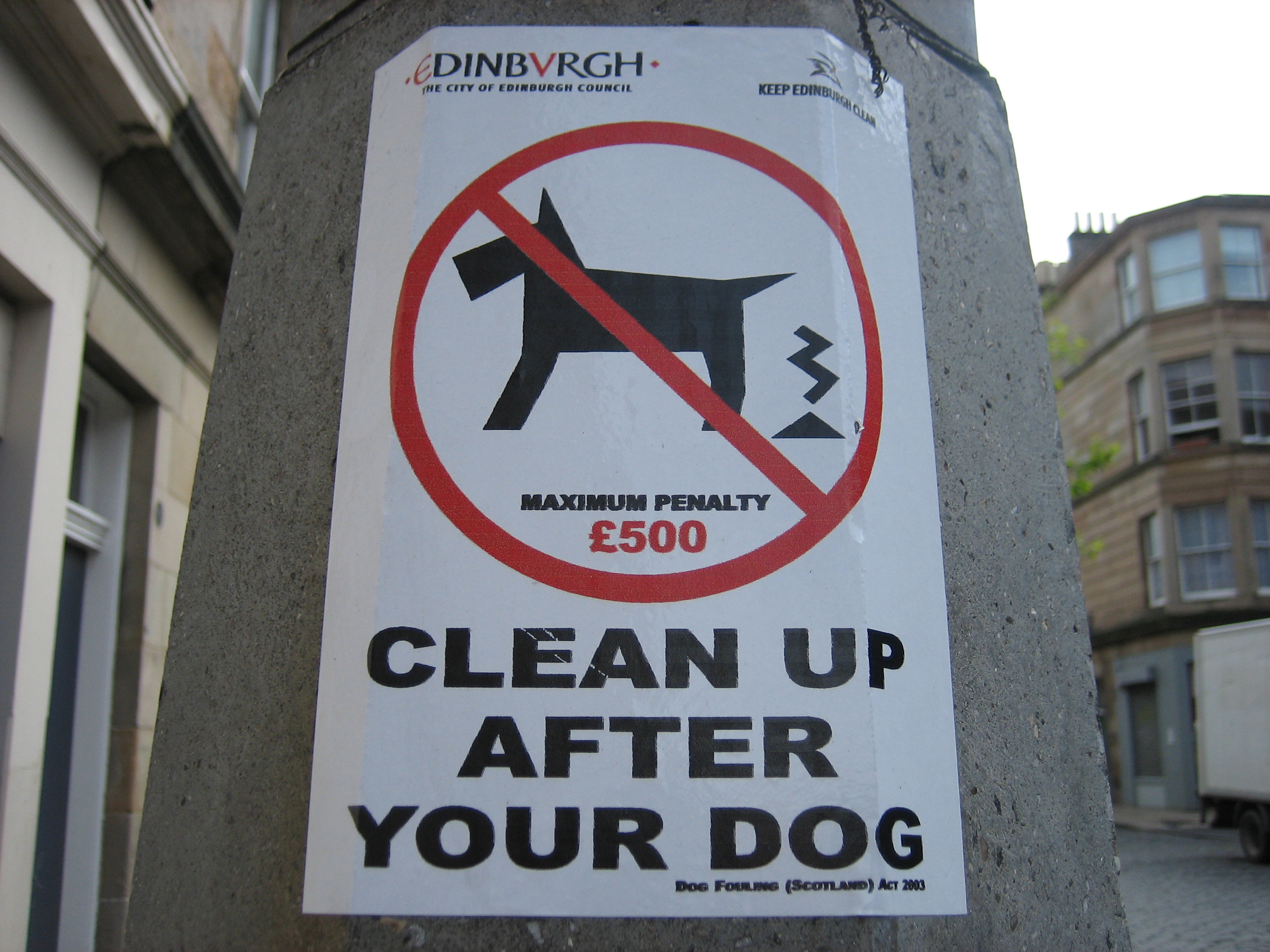
Anti dog poo sign
A war is being fought to rob Leith of its most abundant natural resource

Dog poo is Leith’s most abundant natural resource. Rich deposits can be found all over the Leith area, most commonly on pavements and in children’s play areas.

This renewable resource is produced by dog owners who provide the raw material free of charge, leaving dog log scattered randomly for others to harvest, normally via shoe. Some streets are so rich in doggy doggy doo doo that one could tread in three or more different types, within just a few meters!

Despite threats of £500 fines and a recent campaign to dissuade dog owners from creating the city of ‘EdinbURGH!’ – doo poo producers have vowed to maintain the high level of output that residents of Leith have come to rely on.

“I’m proud to be one of the biggest producers in Leith.” says Ally McNed, owner of a Staffordshire bull terrier.

“Pipsy here is famous for his two-toners. He once even did a snail! They still talk about it in The Dalmeny today.”

‘Don’t make our city EdinbURH!’ Try telling that to Leith.

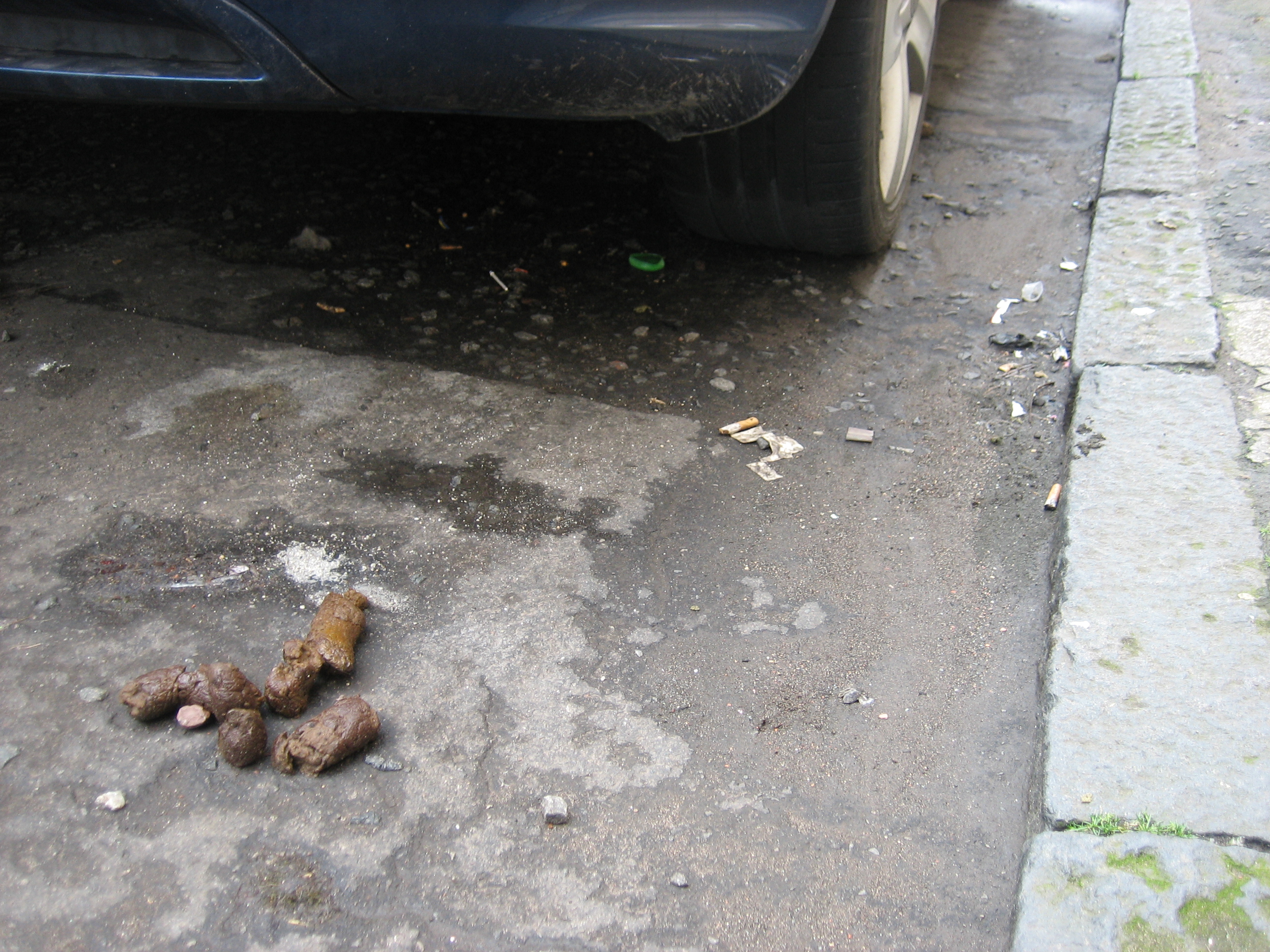
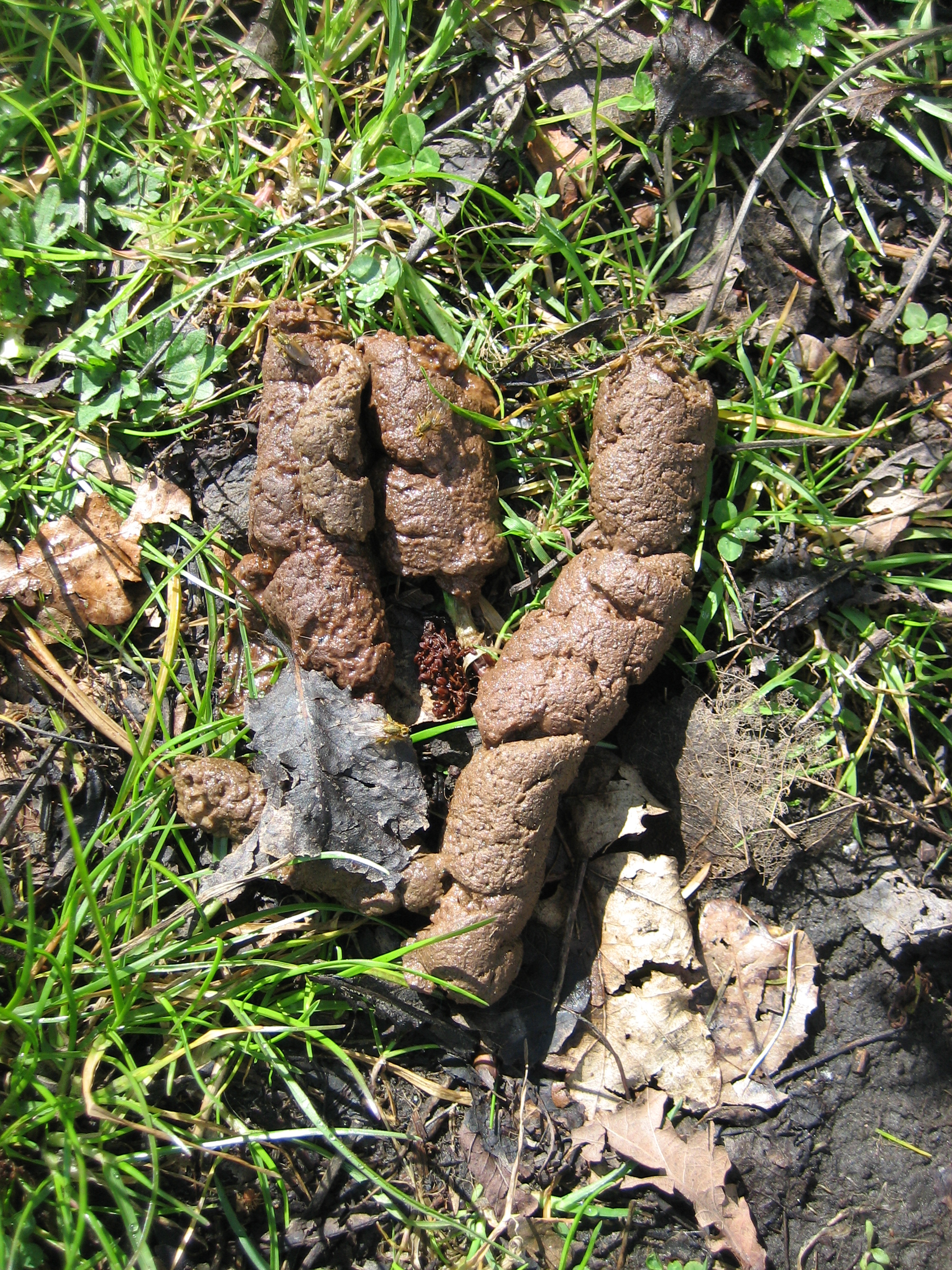
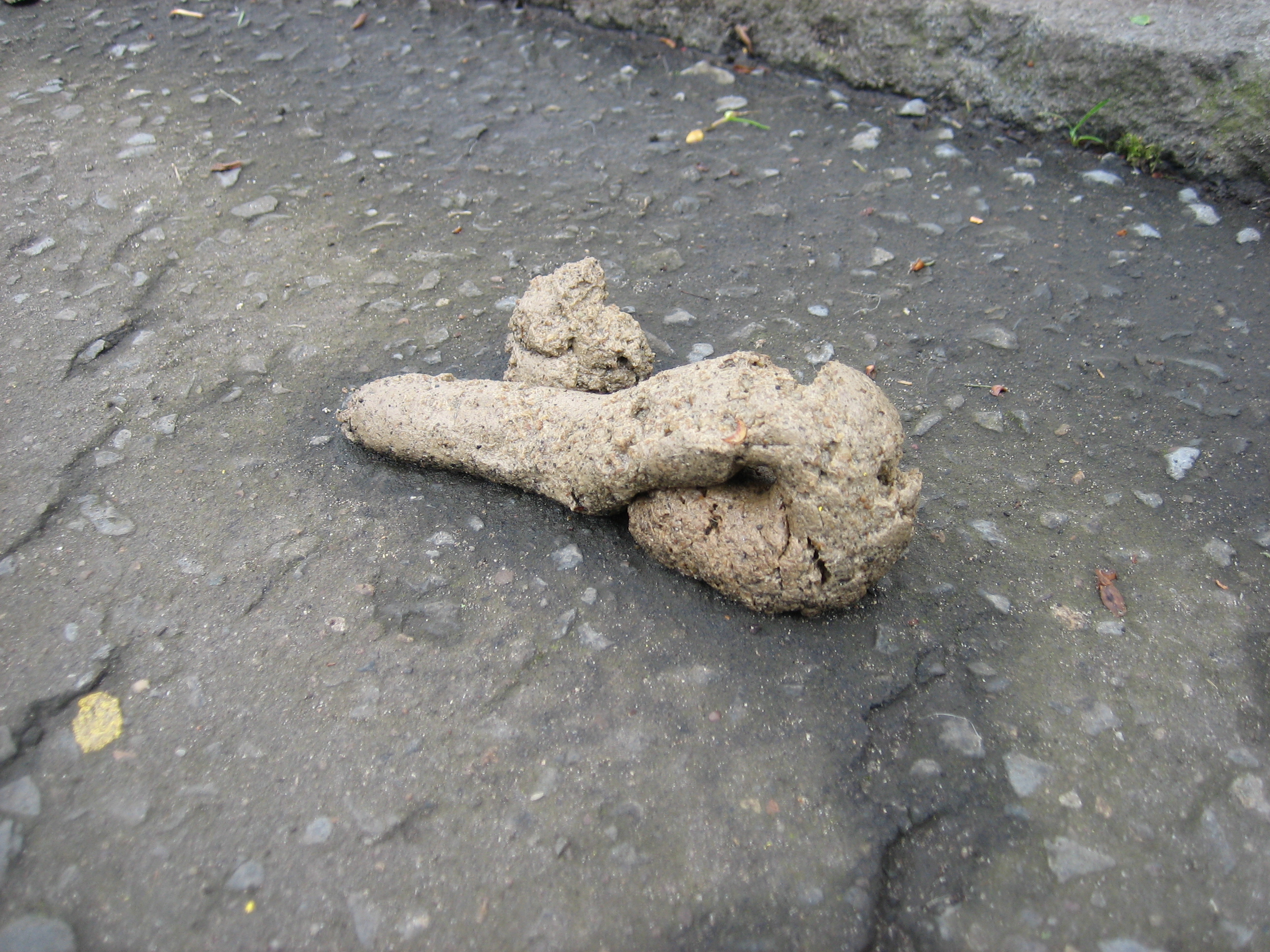
1.  The Road Poo
Although pavements are by far the richest sources of dog poo in Leith, deposits can also be found on the roads, normally near the kerb. This allows for easy collection by children crossing the road or entering a car.

road dog-poo
Road-poos are laid by road dogs

2.  Pre-bagged
Here the dog-owner has kindly bagged the deposit and left if hanging on a fence in case anyone wants it. It is of course well known that residents of Leith often think: “What I really need right now, is a bag of dog poo.”

bagged dog poo
Do you need a bag with that?

3. Two-tone
One of the rarest types of dog poo, a K9 must be fed a special diet of cold chips and Chicken Biryani sauce to produce the characteristic duotone coloration. Dog owners are so proud of producing the rare two-toner that they kindly leave them in-situ for others to marvel at.

Two-tone: rare

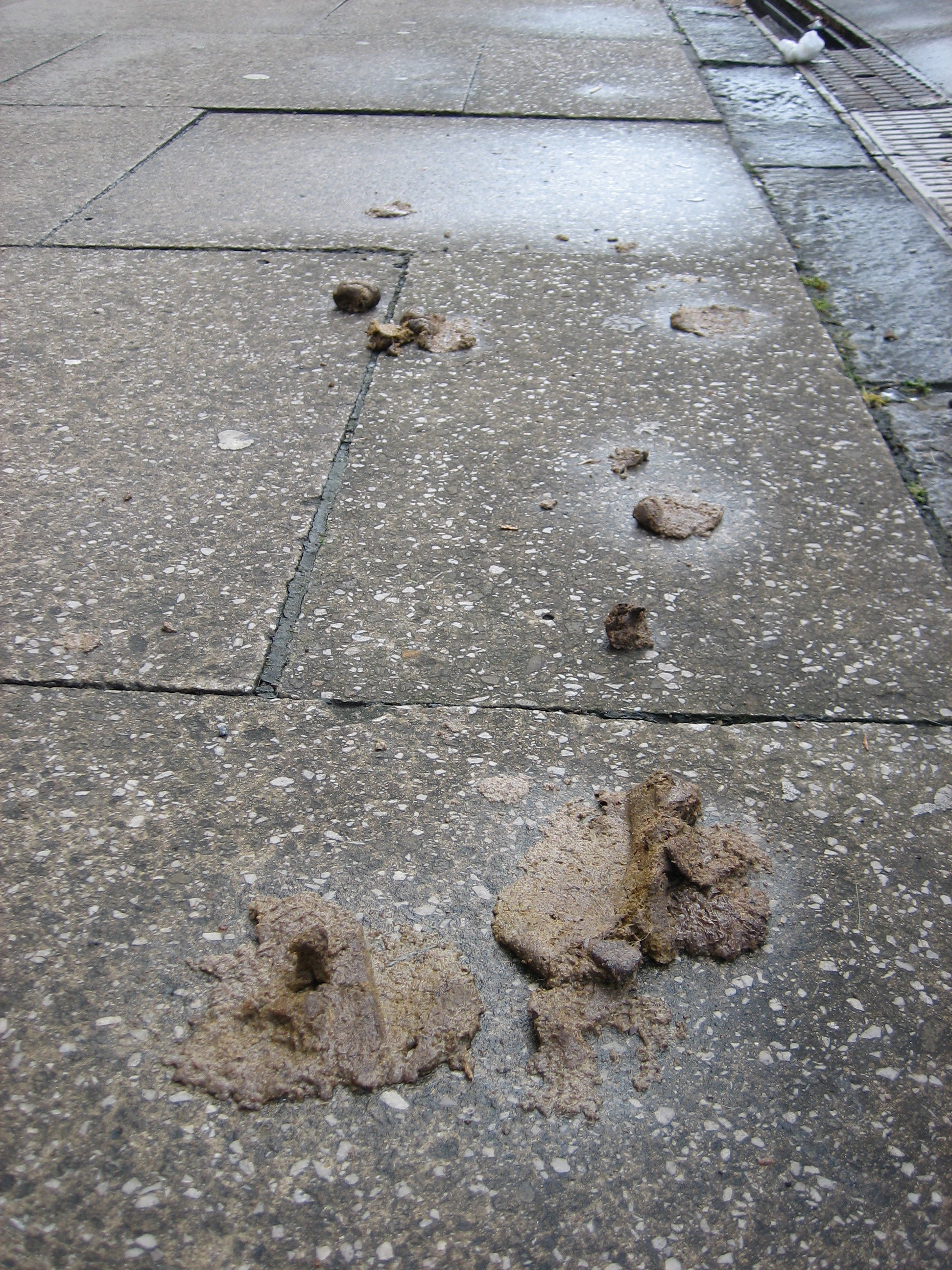
4. Trodden-in
Here someone has successfully harvested part of the deposit. The normal method of collection is via the sole of the shoe. Once firmly embedded within the tread, the deposit is then transferred to the carpet of the harvester’s own home.

Someone has cleary made off with some of this one.

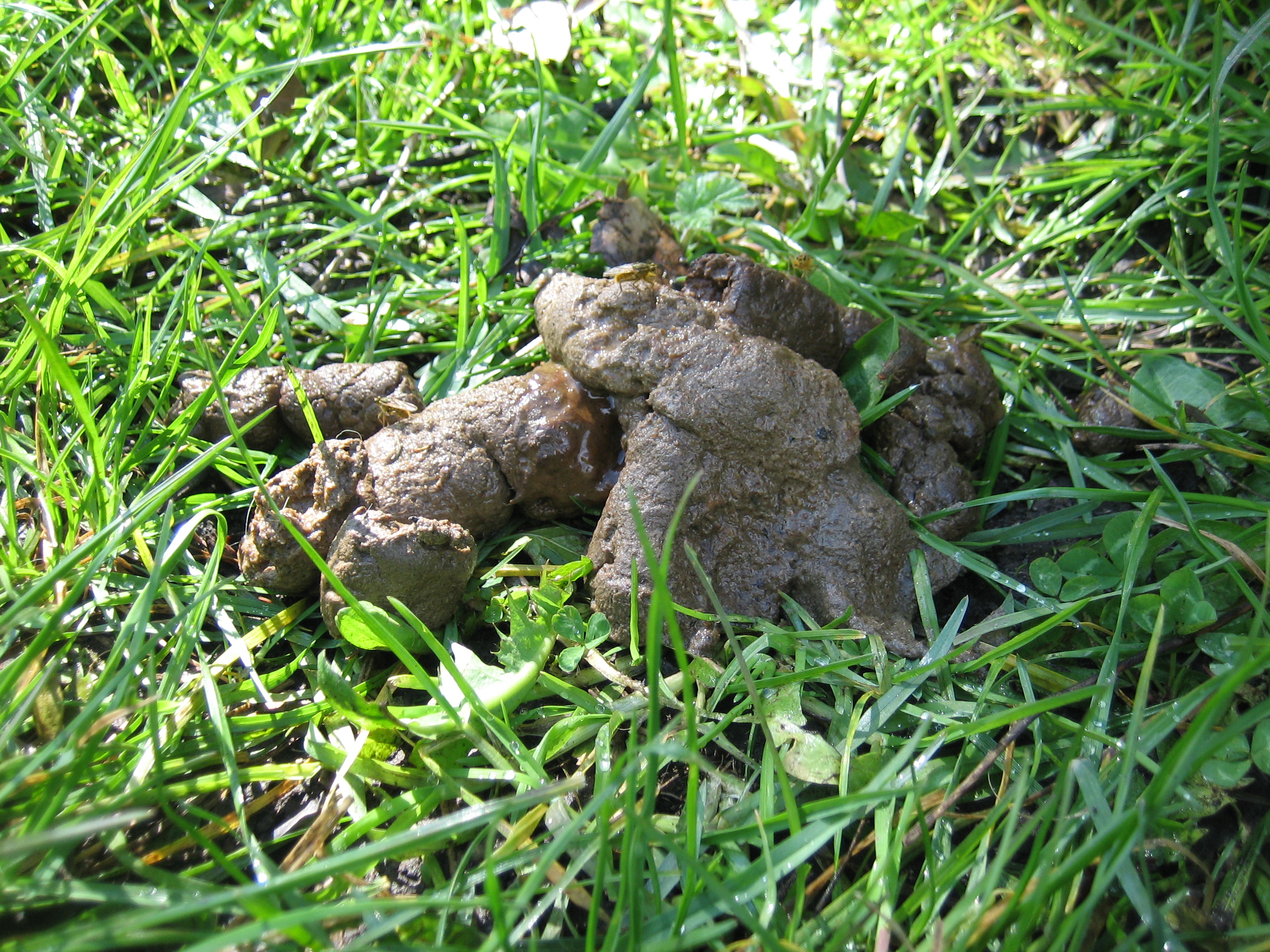
5. Grass Poo
Most often found on verges, parks and children’s play areas, the Grass Poo can sometimes be concealed by unruly vegetation. The habitat allows for easy slippage by unwary passers-by, who sometimes accidentally harvest the deposits, and these types of Doggy drops have even been known to bring down grown men.

Just waiting for someone to slip on it

6. The Snail
Considered to be the rarest species in the dog poo kingdom, The Snail is so called due to it resembling the shelled mollusc. It takes many years of K9 training to reach snail-level pooing ability, and few dog owners will ever see it in their lifetime. The snail-style poopy is now so rare that they are a protected species and it is illegal to handle one without a licence.

snail poo
A doggy doo pretending to be a land-based mollusc

Leith, Lidl, Lobsters and Supermarket Snobbery

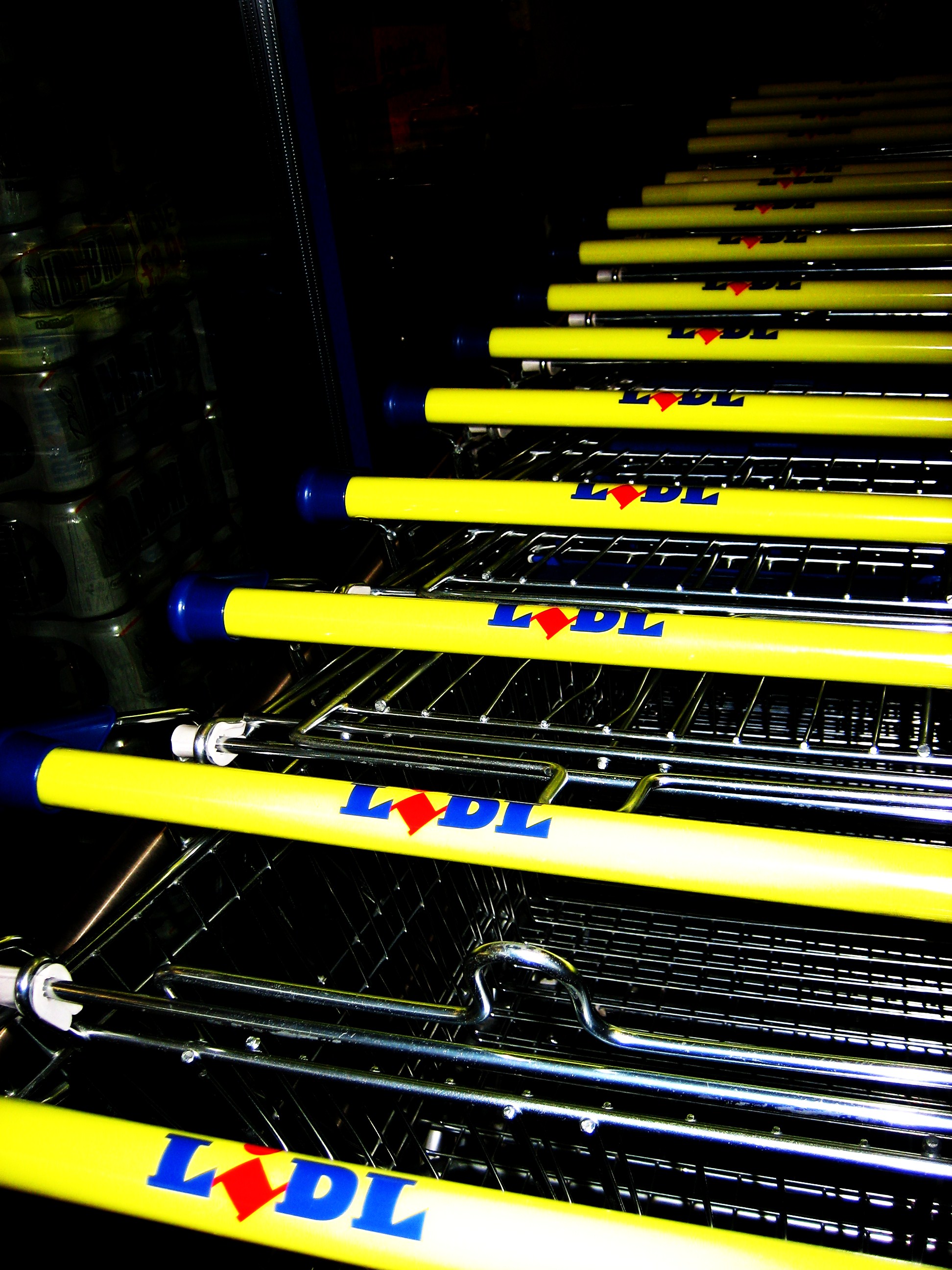
get off your Waitrose trolley and get to Lidl!

Forget Sat Nav; you can tell where you are in Edinburgh by the shopping bags people carry. If you see Waitrose bags, you’re probably in Stockbridge. If you see reusable fair-trade organic cotton bags, then you’re definitely in Stockbridge. If you see Tesco and Sainsburys bags, you could be anywhere from Bruntsfield to Cannonmills. But you know you’re in Leith when you see people walking the streets clutching Lidl bags.

There’s definitely a stigma attached to shopping at Lidl. In the world of supermarkets, the German owned chain is considered the lowest of the low – but is this reputation really deserved? In my opinion – no. Supermarket snobs may scoff at the store, refusing to be seen shopping at a place they associate with neds and chavs, but Lidl offers excellent value and a lot of good quality, if somewhat unfamiliar, food.

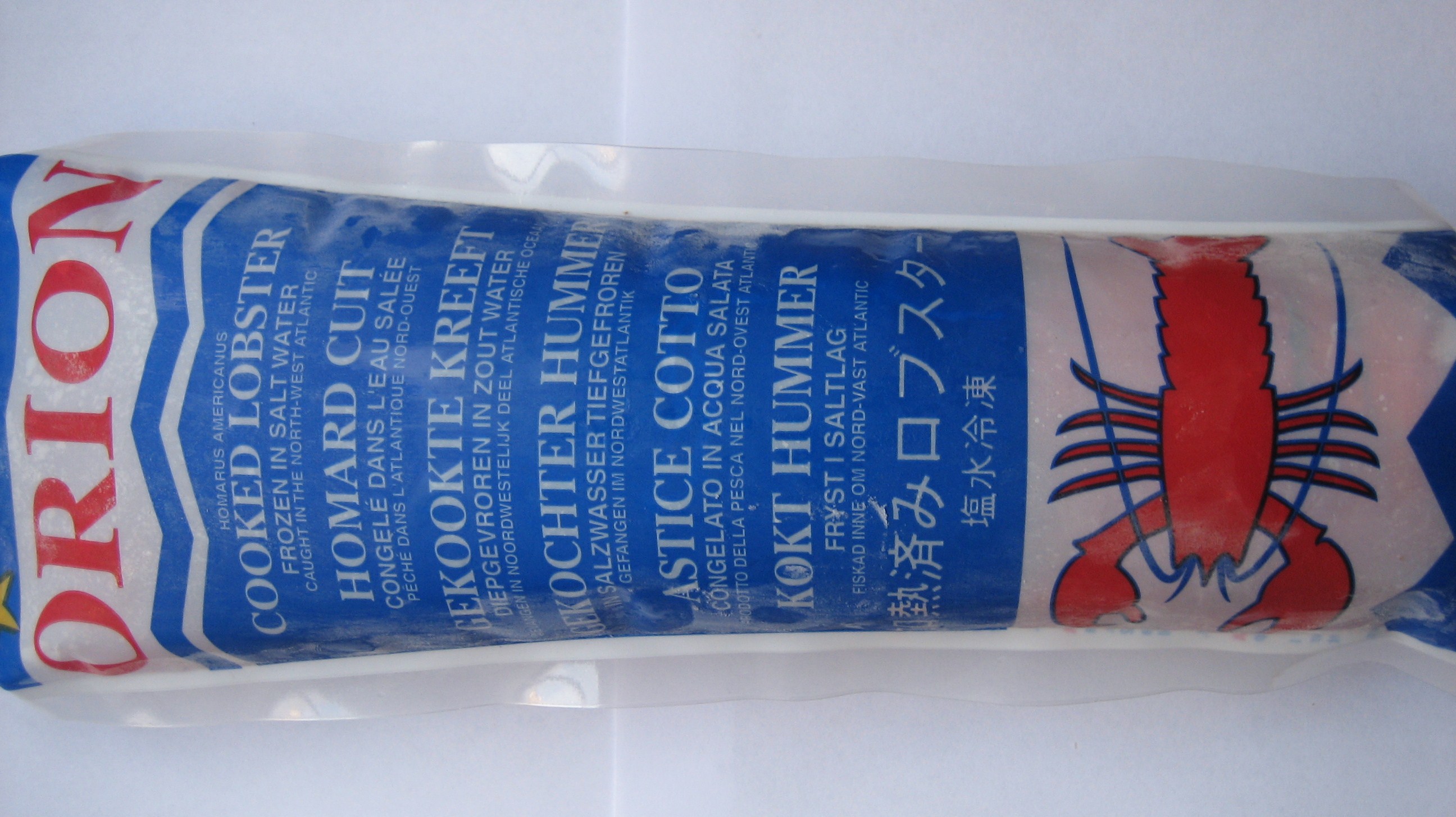
Past experiences of long queues and just one poor girl at the checkout had put me off a little, so it’s been a while since I ventured to a Lidl, but I was impressed with what I saw. A good range of products, largely from unknown European companies, which in my mind makes it more interesting, and there’s also a reasonable selection of more recognisable labels, plus a nice surprise: whole frozen lobster for £4.99! Now that is cheap…

Lidl lobsters - just £5

With credit crunching, it’s likely that the higher end supermarkets will lose customers and that many people will swallow their pride and turn to Lidl in the coming months. The presence of organic products on Lidl’s shelves suggests that they are already reaching customers beyond their target demographic, luring more ethically minded and higher earning shoppers into their pallet-lined aisles.

It’s still unlikely that you’ll be seeing Lidl carrier bags in Stockbridge any time soon, but you may well see a Lidl lobster hidden in a reusable fair-trade organic cotton bag in Stockbridge. Just don’t expect them to admit where they got it from.